
Stainless Steel 302 has a higher carbon content ranging from 0.15-0.30%, which provides increased strength but can slightly reduce its corrosion resistance compared to lower carbon grades. It’s used in the production of springs, fasteners, wire forms and certain medical devices and surgical instruments.

302 stainless steel wire is identified under multiple naming conventions, including grade, alloy, and UNS designations; depending on the specification, industry, or standard being used.
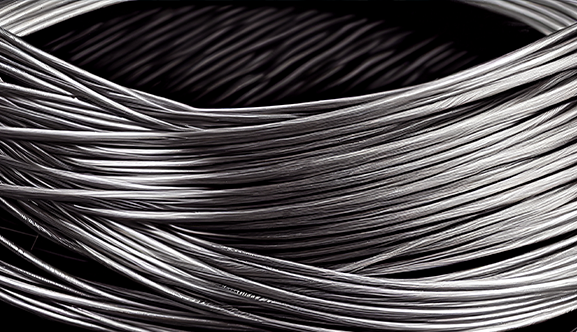
Stainless Steel 302 alloys are known by several names depending on the standard, specification, or drawing being used. Understanding these alternate names matters because the same alloy can appear under different designation systems across quotes, certifications, standards, and legacy prints. For buyers and engineers working with wire, this is especially important, since Stainless Steel 302 may be referenced through material standards tied to specific product forms and applications rather than by one simple trade name alone.
Stainless Steel 302 is the plain-language commercial name used by manufacturers and distributors. This name can be further shortened to SS302 or SS 302 Best for website copy, general product pages, blogs, and non-technical sales language where readability matters most. It is the most recognizable market-facing name and the easiest label for buyers who are searching by common alloy number rather than by a standards body code.
Type 302 is the traditional “Type” grade style used throughout stainless steel practice and appears in technical descriptions and standards references for Stainless Steel 302. Useful in technical sales sheets, alloy descriptions, and older engineering documents where stainless grades are written. Many engineers and buyers still speak in “Type” language, so this format feels familiar and aligns with legacy documentation.
AISI 302 is the name which comes from the AISI-style stainless grade convention. Best for engineering discussions, procurement cross-references, and older North American documents that still use AISI language. The use of AISI 302 immediately signals that you are talking about the recognized stainless grade designation, not just a casual trade name.
Alloy 302 is a general commercial shorthand and conversational naming style used in the metals industry when the stainless family is already understood. Best for casual product discussion, internal communication, and simplified sales language where the audience already knows the material is stainless. It is concise and readable, but it is less precise than formal designation systems because “alloy” by itself does not identify the governing standard or numbering system.
UNS S30200 is the Unified Numbering System (UNS) official designation for Stainless Steel 302. Best for formal material identification, cross-referencing between standards, QA documentation, mill certs, and multi-standard procurement. This is the cleanest unambiguous identifier when you need to match one alloy across different standards systems. It is especially helpful when a drawing, cert, or PO needs a formal designation rather than a trade-style name.
Grade 302 is a generic technical descriptor commonly used in datasheets and technical articles for the alloy. Useful in technical overviews, comparison articles, and educational content. It reads naturally in explanatory content and works well when comparing Grade 302 vs. Grade 304, for example.
18-8 Stainless Steel is a family descriptor based on the chromium-nickel chemistry of this stainless class. Technical sources place 302 within the familiar 18-8 austenitic stainless family. Best for high-level educational content, family-level chemistry explanations, and simplified alloy grouping. This is helpful when explaining chemistry and alloy family relationships, but it is not precise enough on its own for ordering material, because multiple grades can fall under the 18-8 umbrella.
Stainless Steel 302, has a density of 8.03 g/cm3 (0.290 lbs/in2) and is composed of 18.00% chromium, 9.00% nickel, 1.00% silicon, 2.00% manganese, 0.150% carbon, and 0.290% sulfur, with the remainder of the composition consisting of iron; and is a tough, ductile, austenitic stainless steel and a slightly higher-carbon version of Type 304, and offering better corrosion resistance than Type 301 due to its higher nickel content.

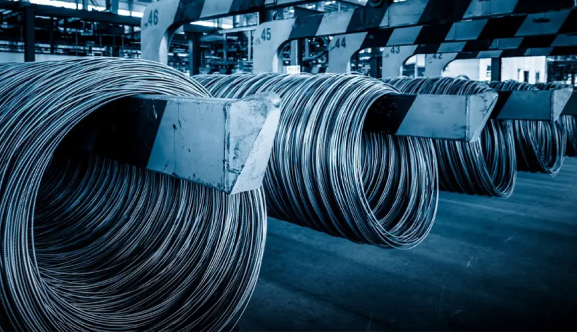
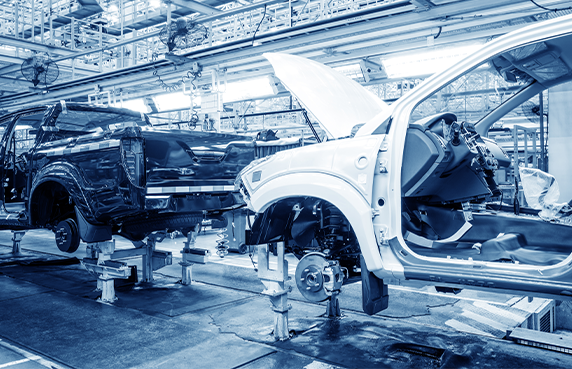
Stainless steel wire alloys are used in various industries, including:

Sunset Wire can manufacture custom diameters of SS302 for your project. Common sizes of Type 302 include:
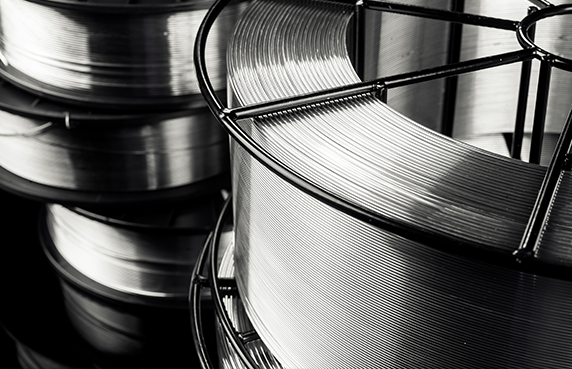
Sunset Wire stocks a large inventory of stainless steel wire to ensure you get it fast. Get your wire in 1 lb cans, 1 lb spools or 5 lb spools. Other spool sizes are available upon request.

Why Choose Sunset Wire?
Sunset Wire provides domestically drawn wire in various diameters, lengths and packages. Get your stainless steel wire delivered anywhere in the US thanks to our large inventory and dedicated supply chain management capabilities.
Visit us at Spring World 2026 and IFE 2026 from October 7th-9th 2026