
Nickel X-750, commonly known as Inconel® X-750, is a precipitation-hardening nickel-chromium wire alloy containing approximately 70% nickel, 14–17% chromium, and additions of titanium and aluminum that provide exceptional strength and stability at elevated temperatures. Through age-hardening heat treatments, Nickel X-750 develops outstanding tensile strength, fatigue resistance, creep resistance, and oxidation resistance while maintaining excellent corrosion resistance across a wide temperature range.

Nickel X-750 alloy wire is identified under multiple naming conventions, including grade, alloy, and UNS designations; depending on the specification, industry, or standard being used.
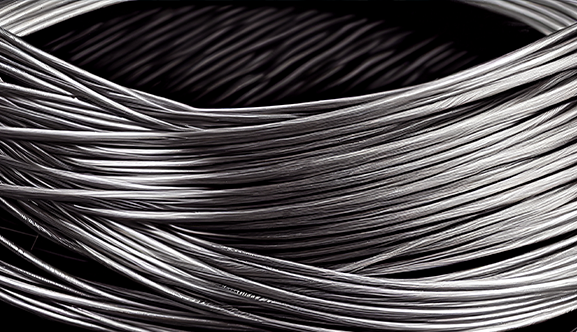
Nickel X-750
X-750 Nickel
X-750
Alloy X-750
Inconel® X-750
Inconel X-750
UNS N07750
N07750
Nickel Alloy X-750
Nickel-Chromium Alloy X-750
Precipitation Hardening Nickel Alloy
Age Hardenable Nickel Alloy
High Strength Nickel Alloy
High Temperature Nickel Alloy
Aerospace Grade Nickel Alloy
Spring Grade Nickel Alloy
Oxidation Resistant Nickel Alloy
Corrosion Resistant Nickel-Chromium Alloy
ASTM B637 Alloy X-750
AMS 5698 Alloy X-750
AMS 5699 Alloy X-750
AMS 5582 Alloy X-750
W.Nr. 2.4669
DIN 2.4669
EN 2.4669
NiCr15Fe7TiAl
Nickel X-750 Wire
Nickel Alloy Wire X-750
Nickel X-750 alloys are known by several names depending on the standard, specification, or drawing being used. Understanding these alternate names matters because the same alloy can appear under different designation systems across quotes, certifications, standards, and legacy prints. For buyers and engineers working with wire, this is especially important, since Nickel X-750 may be referenced through material standards tied to specific product forms and applications rather than by one simple trade name alone.
Alloy X-750 is a general commercial shorthand and conversational naming style used throughout the nickel alloy industry when the precipitation-hardening nickel alloy family is already understood. Best for casual product discussions, internal communication, sales conversations, and simplified technical language where the audience already knows the material is a nickel alloy. It is concise, recognizable, and easy to read, but it is less precise than formal designation systems because the term “alloy” by itself does not identify the governing specification, standards organization, or numbering system associated with the material. Alloy X-750 is widely recognized throughout industry as the precipitation-hardening nickel-chromium alloy commonly known as Nickel X-750 or Inconel® X-750, valued for its exceptional high-temperature strength, fatigue resistance, oxidation resistance, and long-term performance in aerospace, nuclear, energy, and industrial applications.
Inconel® X-750 is the most widely recognized trade name for Nickel X-750, a precipitation-hardening nickel-chromium alloy known for its exceptional strength, corrosion resistance, oxidation resistance, and long-term stability at elevated temperatures. Best for product descriptions, marketing materials, engineering discussions, procurement specifications, and industry references where brand recognition is valuable. The designation Inconel® X-750 is widely used throughout the aerospace, nuclear power, energy, and industrial sectors and is often used interchangeably with Nickel X-750, Alloy X-750, and UNS N07750. This trade name immediately identifies the alloy as a high-performance age-hardenable nickel alloy capable of maintaining excellent mechanical properties, fatigue resistance, creep resistance, and oxidation resistance in demanding high-temperature environments, making it one of the most trusted materials for springs, fasteners, turbine components, and critical structural applications.
UNS N07750 is the official Unified Numbering System (UNS) designation for Nickel X-750. Best for formal material identification, cross-referencing between industry standards, quality assurance documentation, mill certifications, engineering specifications, and multi-standard procurement requirements. This designation serves as the clearest and most unambiguous identifier when matching Nickel X-750 across different specification systems and international standards. It is especially useful when a drawing, certification, purchase order, or compliance document requires a formal material designation rather than a commercial or trade-style name. The designation UNS N07750 is widely recognized throughout the aerospace, nuclear power, energy, and industrial sectors as the standardized identifier for the precipitation-hardening nickel-chromium alloy commonly known as Nickel X-750, Alloy X-750, or Inconel® X-750.
Nickel Alloy X-750 is a common technical and commercial designation for Nickel X-750, emphasizing its classification within the family of high-performance nickel-based alloys. Best for engineering discussions, metallurgy references, product descriptions, and technical documentation where alloy composition and performance characteristics are important. This designation highlights the alloy’s nickel-rich chemistry and precipitation-hardening capabilities, which provide exceptional strength, fatigue resistance, oxidation resistance, and corrosion resistance over a wide range of temperatures. Widely used throughout the aerospace, nuclear power, energy, and industrial sectors, Nickel Alloy X-750 is commonly used interchangeably with Nickel X-750, Alloy X-750, Inconel® X-750, and UNS N07750 when describing this high-strength, age-hardenable nickel-chromium alloy.
Nickel-Chromium Alloy X-750 is a common technical designation for Nickel X-750 that highlights the alloy’s primary composition of nickel and chromium. Best for engineering discussions, metallurgy references, alloy comparisons, and technical documentation where material chemistry is important. This designation emphasizes the alloy’s nickel-chromium chemistry, which provides exceptional resistance to oxidation, corrosion, creep, and high-temperature degradation. The addition of titanium and aluminum enables precipitation hardening, allowing the alloy to achieve outstanding strength and fatigue resistance. Widely recognized throughout the aerospace, nuclear power, energy, and industrial sectors, Nickel-Chromium Alloy X-750 is commonly used interchangeably with Nickel X-750, Alloy X-750, Inconel® X-750, and UNS N07750 when describing this high-performance precipitation-hardening nickel alloy.
Precipitation Hardening Nickel Alloy is a common technical description for Nickel X-750 because it achieves exceptionally high strength and mechanical performance through a specialized age-hardening, or precipitation-hardening, heat-treatment process. Best for aerospace components, turbine hardware, springs, fasteners, nuclear applications, seals, and other high-performance parts requiring outstanding strength and long-term reliability. This designation highlights the alloy’s unique ability to develop exceptional tensile strength, fatigue resistance, creep resistance, and stress-relaxation resistance while maintaining excellent corrosion resistance and oxidation resistance. As a result, Nickel X-750 is widely recognized as one of the most important precipitation-hardening nickel alloys for demanding elevated-temperature and high-stress service environments.
Age Hardenable Nickel Alloy is a common technical description for Nickel X-750 because it develops exceptional strength and mechanical properties through an age-hardening heat-treatment process. Best for aerospace components, turbine hardware, springs, fasteners, nuclear reactor components, seals, and other demanding applications requiring long-term strength and reliability. This designation highlights the alloy’s ability to be heat treated after fabrication to achieve outstanding tensile strength, fatigue resistance, creep resistance, and stress-relaxation resistance while maintaining excellent corrosion resistance and oxidation resistance. As a result, Nickel X-750 is widely recognized as a premier age-hardenable nickel alloy for high-temperature and high-stress service environments.
High Strength Nickel Alloy is a common technical description for Nickel X-750 because of its ability to develop exceptionally high strength through precipitation-hardening heat treatments while maintaining excellent corrosion resistance and elevated-temperature performance. Best for aerospace components, turbine hardware, springs, fasteners, nuclear reactor components, seals, and other critical applications subjected to high stresses and demanding operating conditions. This designation highlights the alloy’s outstanding combination of tensile strength, fatigue resistance, creep resistance, and stress-relaxation resistance, making Nickel X-750 one of the most widely used high-strength nickel alloys for long-term service in high-temperature and high-performance environments.
High Temperature Nickel Alloy is a common industry description for Nickel X-750 because of its ability to maintain exceptional strength, oxidation resistance, and mechanical stability during prolonged exposure to elevated temperatures. Best for aerospace components, gas turbine hardware, springs, fasteners, nuclear reactor components, seals, and other critical applications operating under high thermal and mechanical stresses. This designation highlights the alloy’s precipitation-hardening nickel-chromium chemistry, which provides outstanding creep resistance, fatigue resistance, and stress-relaxation resistance while preserving corrosion resistance and structural integrity at elevated temperatures. As a result, Nickel X-750 is widely recognized as a dependable high-temperature alloy for demanding aerospace, energy, nuclear, and industrial service environments.
Aerospace Grade Nickel Alloy is a common industry description for Nickel X-750 because of its exceptional combination of high strength, fatigue resistance, oxidation resistance, and long-term stability at elevated temperatures. Best for aircraft components, gas turbine hardware, engine fasteners, springs, seals, retaining rings, and other critical aerospace applications where reliability is essential. This designation highlights the alloy’s precipitation-hardening nickel-chromium chemistry, which enables Nickel X-750 to maintain outstanding mechanical properties under demanding thermal and stress conditions. As a result, Nickel X-750 has become one of the most widely specified nickel alloys in the aerospace industry for applications requiring high strength, corrosion resistance, and dependable performance over extended service lives.
Spring Grade Nickel Alloy is a common industry description for Nickel X-750 because of its exceptional combination of high strength, fatigue resistance, stress-relaxation resistance, and elevated-temperature performance. Best for springs, retaining rings, clips, seals, wire forms, and other components subjected to repeated loading and demanding operating conditions. This designation highlights the alloy’s ability to maintain excellent spring properties after precipitation-hardening heat treatment, allowing it to resist deformation and loss of load over extended periods of service. As a result, Nickel X-750 is widely recognized as one of the premier nickel alloys for aerospace springs, turbine springs, nuclear applications, and other critical components requiring reliable long-term elastic performance in high-temperature environments.
Oxidation Resistant Nickel Alloy is a common technical description for Nickel X-750 because of its exceptional ability to resist oxidation and surface degradation during prolonged exposure to elevated temperatures. Best for gas turbine hardware, aerospace components, furnace equipment, springs, fasteners, seals, and other applications operating in demanding thermal environments. This designation highlights the alloy’s nickel-chromium chemistry, which forms a protective oxide layer that helps prevent scaling and oxidation while preserving mechanical integrity at high temperatures. Combined with its precipitation-hardening capability, this oxidation resistance allows Nickel X-750 to maintain excellent strength, fatigue resistance, and long-term reliability in aerospace, energy, nuclear, and industrial service applications.
Corrosion Resistant Nickel-Chromium Alloy is a common technical description for Nickel X-750 because of its exceptional ability to withstand a wide range of corrosive environments while maintaining high strength and long-term mechanical reliability. Best for aerospace components, gas turbine hardware, springs, fasteners, nuclear reactor applications, seals, and industrial equipment exposed to elevated temperatures and corrosive service conditions. This designation highlights the alloy’s nickel-chromium chemistry, which provides excellent resistance to oxidation, many chemical environments, and stress-related degradation while preserving strength and toughness. Combined with its precipitation-hardening capability, these properties make Nickel X-750 one of the most widely used corrosion-resistant nickel-chromium alloys for demanding aerospace, energy, nuclear, and industrial applications.
ASTM B637 Alloy X-750 is the designation used when Nickel X-750 is supplied in accordance with ASTM B637, the industry specification covering precipitation-hardening nickel alloy rod, bar, forgings, and wire products. Best for engineering specifications, procurement documents, quality requirements, and applications involving Nickel X-750 wire, rod, bar, springs, fasteners, turbine hardware, and machined components. This designation helps identify the alloy within ASTM-controlled requirements and is frequently referenced in technical documentation, certifications, and purchasing specifications where the mechanical and chemical properties of Nickel X-750 (UNS N07750) must conform to recognized ASTM standards. ASTM B637 is one of the most common specifications associated with Alloy X-750, particularly for high-strength products used in aerospace, nuclear power, energy, and other demanding elevated-temperature applications.
AMS 5698 Alloy X-750 is the designation used when Nickel X-750 is supplied in accordance with SAE AMS 5698, an aerospace material specification covering cold-worked wire and spring wire products manufactured from Alloy X-750. Best for aerospace springs, retaining rings, seals, wire forms, fasteners, and other critical components requiring high strength and excellent resistance to relaxation at elevated temperatures. This designation helps identify the alloy within aerospace-controlled requirements and is frequently referenced in engineering drawings, procurement specifications, certifications, and quality documentation where the mechanical and metallurgical properties of Nickel X-750 (UNS N07750) must conform to recognized aerospace industry standards. AMS 5698 is one of the most commonly referenced specifications for X-750 wire products used in aerospace, nuclear, energy, and high-performance industrial applications.
AMS 5699 Alloy X-750 is the designation used when Nickel X-750 is supplied in accordance with SAE AMS 5699, an aerospace material specification covering spring temper wire manufactured from Alloy X-750. This designation helps identify the alloy within aerospace-controlled requirements and is frequently referenced in engineering drawings, procurement specifications, certifications, and quality documentation where the mechanical and metallurgical properties of Nickel X-750 (UNS N07750) must conform to recognized aerospace industry standards. AMS 5699 is particularly associated with high-strength spring wire applications and is widely used throughout the aerospace, nuclear, energy, and high-performance industrial sectors where long-term reliability under cyclic loading and elevated-temperature service is essential. Best for aerospace springs, retaining rings, clips, seals, wire forms, and other critical components requiring exceptional strength, fatigue resistance, and resistance to stress relaxation at elevated temperatures.
AMS 5582 Alloy X-750 is the designation used when Nickel X-750 is supplied in accordance with SAE AMS 5582, an aerospace material specification covering wire products manufactured from Alloy X-750. This designation helps identify the alloy within aerospace-controlled requirements and is frequently referenced in engineering drawings, procurement specifications, certifications, and quality documentation where the mechanical and metallurgical properties of Nickel X-750 (UNS N07750) must conform to recognized aerospace industry standards. AMS 5582 is commonly associated with high-performance wire applications where long-term reliability, oxidation resistance, fatigue resistance, and strength retention at elevated temperatures are essential. Best for aerospace hardware, springs, retaining rings, wire forms, fasteners, and other critical components requiring high strength, corrosion resistance, and elevated-temperature performance.
W.Nr. 2.4669 is the Werkstoffnummer (material number) designation for Nickel X-750 and is widely used in European engineering specifications, certifications, and technical documentation. Best for international procurement, material cross-referencing, and quality documentation. The designation W.Nr. 2.4669 provides a standardized material identifier that helps engineers and buyers match Nickel X-750 across European and global standards systems while identifying it as a precipitation-hardening nickel-chromium alloy known for its exceptional high-temperature strength, fatigue resistance, oxidation resistance, and corrosion resistance. It is commonly cross-referenced with UNS N07750, Inconel® X-750, Alloy X-750, and EN 2.4669 in aerospace, nuclear power, energy, and other demanding industrial applications.
DIN 2.4669 is the German material designation for Nickel X-750 and is commonly used in European engineering specifications, material certifications, and procurement documents. Best for international sourcing, technical documentation, and material cross-referencing. The designation DIN 2.4669 provides a standardized identifier that helps engineers and buyers match Nickel X-750 across global standards systems while identifying it as a precipitation-hardening nickel-chromium alloy known for its exceptional high-temperature strength, fatigue resistance, oxidation resistance, and corrosion resistance. It is commonly cross-referenced with UNS N07750, Inconel® X-750, Alloy X-750, and W.Nr. 2.4669 in aerospace, nuclear power, energy, and other demanding industrial applications.
EN 2.4669 is the European material number designation for Nickel X-750 within the EN (European Norm) standards system. Best for European engineering specifications, international procurement, material certifications, technical documentation, and cross-referencing between global nickel alloy standards. The use of EN 2.4669 immediately identifies the material according to a standardized European classification, making it easier to match Nickel X-750 across international supply chains and regulatory requirements. This designation is widely recognized throughout Europe and is commonly found on mill certificates, engineering drawings, quality documentation, and material specifications where compliance with European standards is required. It is commonly cross-referenced with UNS N07750, Inconel® X-750, Alloy X-750, and W.Nr. 2.4669 as an equivalent designation for this high-strength precipitation-hardening nickel-chromium alloy.
NiCr15Fe7TiAl is the European chemical designation commonly used to describe Nickel X-750 based on its nickel-chromium-iron composition with additions of titanium and aluminum. Best for European engineering specifications, metallurgy discussions, alloy comparisons, and technical documentation where materials are identified by their principal alloying elements. This designation highlights the alloy’s approximate composition of 15% chromium, 7% iron, titanium, and aluminum within a nickel-rich matrix, with the titanium and aluminum additions playing a critical role in the precipitation-hardening process that gives the alloy its exceptional strength and elevated-temperature performance. Widely recognized throughout Europe, NiCr15Fe7TiAl is commonly associated with Nickel X-750, Inconel® X-750, Alloy X-750, UNS N07750, and EN 2.4669, making it a valuable reference for international material cross-referencing and technical communication.
Nickel X-750 has a density of approximately 8.28 g/cm³ (0.299 lb/in³) and is composed of 70.00% minimum nickel (including cobalt), 14.00–17.00% chromium, 5.00–9.00% iron, 2.25–2.75% titanium, 0.40–1.00% aluminum, 0.70–1.20% niobium (columbium), 1.00% maximum manganese, 0.50% maximum silicon, 0.50% maximum copper, 0.08% maximum carbon, and 0.01% maximum sulfur, with trace amounts of other elements permitted within specification limits. It is a precipitation-hardening nickel-chromium alloy known for its exceptional combination of high strength, fatigue resistance, creep resistance, oxidation resistance, and corrosion resistance. The additions of titanium, aluminum, and niobium enable age hardening through heat treatment, allowing Alloy X-750 to develop outstanding mechanical properties while maintaining stability at elevated temperatures. This makes Nickel X-750 an excellent choice for aerospace springs, gas turbine hardware, fasteners, seals, retaining rings, nuclear reactor components, wire forms, and other demanding applications requiring long-term reliability, high-temperature strength, and resistance to stress relaxation in severe operating environments.

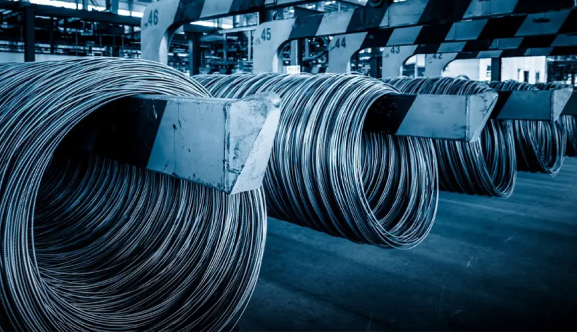

Nickel wire alloys are used in various industries, including:

Sunset Wire can manufacture custom diameters of X-750 for your project. Common sizes of X-750 include:
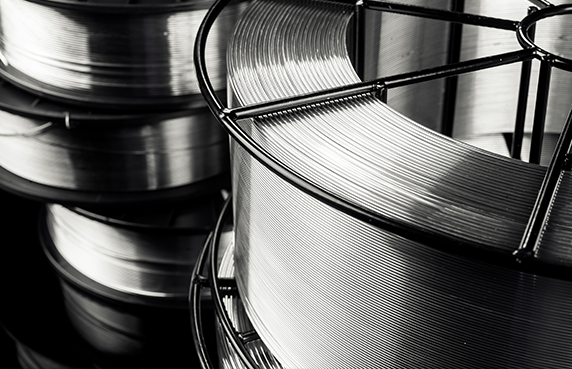
Sunset Wire stocks a large inventory of stainless steel wire to ensure you get it fast. Get your wire in 1 lb cans, 1 lb spools or 5 lb spools. Other spool sizes are available upon request.

Why Choose Sunset Wire?
Sunset Wire provides domestically drawn wire in various diameters, lengths and packages. Get your stainless steel wire delivered anywhere in the US thanks to our large inventory and dedicated supply chain management capabilities.
Nickel wire alloys are metal wires primarily composed of nickel, often combined with other elements like chromium, copper, iron or molybdenum.
Visit us at Spring World 2026 and IFE 2026 from October 7th-9th 2026