
Stainless Steel 17-4PH is a precipitation-hardening stainless steel wire alloy containing approximately 15–17.5% chromium, 3–5% nickel, and 3–5% copper, providing an exceptional combination of high strength, hardness, corrosion resistance, and toughness. Unlike conventional stainless steel grades, 17-4PH (UNS S17400) can be heat treated through precipitation hardening to achieve very high mechanical properties while maintaining good corrosion resistance. Stainless Steel 17-4PH is commonly used for aerospace components, fasteners, springs, shafts, valve parts, medical devices, wire forms, and other high-performance applications requiring superior strength, dimensional stability, and corrosion resistance.

17-4 PH stainless steel wire is identified under multiple naming conventions, including grade, alloy, and UNS designations; depending on the specification, industry, or standard being used.
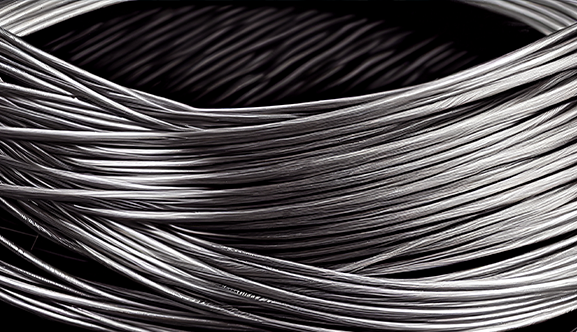
Stainless steel 17-4 PH alloys are known by several names depending on the standard, specification, or drawing being used. Understanding these alternate names matters because the same alloy can appear under different designation systems across quotes, certifications, standards, and legacy prints. For buyers and engineers working with wire, this is especially important, since Stainless Steel 17-4 PH may be referenced through material standards tied to specific product forms and applications rather than by one simple trade name alone.
Type 17-4 PH is the traditional “Type” grade designation used throughout stainless steel specifications and industry practice and appears in technical descriptions, engineering standards, and material references for Stainless Steel 17-4 PH. Best for technical sales sheets, alloy descriptions, engineering drawings, and legacy documents where stainless steel grades are identified using the traditional Type system. Many engineers, buyers, and metallurgists still reference stainless grades in “Type” terminology, making this designation familiar, easy to recognize, and well aligned with longstanding industry documentation.
AISI 630 is the designation derived from the American Iron and Steel Institute (AISI) stainless steel grade classification system and is commonly used in engineering, aerospace, medical, and industrial applications. Best for engineering discussions, procurement cross-references, technical specifications, and North American documentation that utilizes AISI terminology. The use of AISI 630 immediately identifies the material as the widely recognized precipitation-hardening stainless steel grade known commercially as 17-4 PH, making it useful for technical communication, material selection, and specification review across a wide range of high-strength applications.
UNS S17400 is the official Unified Numbering System (UNS) designation for Stainless Steel 17-4 PH. Best for formal material identification, cross-referencing between industry standards, quality assurance documentation, mill certifications, engineering specifications, and multi-standard procurement requirements. This designation serves as the clearest and most unambiguous identifier when matching Stainless Steel 17-4 PH across different specification systems and international standards. It is especially useful when a drawing, certification, purchase order, or compliance document requires a formal material designation rather than a commercial or trade-style name.
Grade 630 is a generic technical descriptor commonly used in datasheets, engineering references, technical articles, and educational materials for the alloy. Best for technical overviews, material comparisons, specification discussions, and informational content. It reads naturally in explanatory writing and is particularly useful when comparing precipitation-hardening stainless steel grades, such as Grade 630 vs. Grade 15-5 PH or Grade 630 vs. Grade 17-7 PH. Because it uses straightforward technical language rather than a specific standards designation, Grade 630 is widely understood by engineers, buyers, students, and industry professionals across a broad range of aerospace, medical, industrial, and high-strength applications.
630 Stainless Steel is a common commercial and technical designation for Stainless Steel 17-4 PH and is widely used throughout the aerospace, medical, energy, and industrial sectors. Best for product descriptions, engineering documentation, material specifications, and procurement discussions. The designation 630 Stainless Steel provides a concise and widely recognized way to identify this precipitation-hardening stainless steel alloy, known for its exceptional combination of high strength, hardness, corrosion resistance, and heat-treatable performance. It is frequently used interchangeably with 17-4 PH, AISI 630, and UNS S17400 in technical and commercial applications.
PH Stainless Steel, short for Precipitation Hardening Stainless Steel, is a common technical description for Stainless Steel 17-4 PH because it achieves exceptionally high strength and hardness through a specialized precipitation-hardening heat-treatment process. Best for aerospace components, medical devices, fasteners, shafts, valve parts, springs, and other high-performance applications requiring superior mechanical properties. This designation highlights the alloy’s unique ability to combine high strength, toughness, corrosion resistance, and excellent dimensional stability, making Stainless Steel 17-4 PH one of the most widely used precipitation-hardening stainless steel grades in demanding industrial applications.
Copper-Bearing Stainless Steel is a common technical description for Stainless Steel 17-4 PH because it contains a controlled copper addition that plays a key role in its precipitation-hardening process. Best for aerospace components, medical devices, fasteners, shafts, valve parts, and other high-strength applications requiring excellent mechanical performance. This designation highlights the alloy’s copper-enhanced chemistry, which contributes to its ability to achieve exceptional strength, hardness, toughness, and corrosion resistance through heat treatment while maintaining good dimensional stability.
Martensitic Precipitation Hardening Stainless Steel is a technical description commonly used for Stainless Steel 17-4 PH because it combines a martensitic microstructure with precipitation-hardening technology to achieve exceptionally high strength and hardness. Best for aerospace components, medical devices, fasteners, shafts, valve parts, springs, and other demanding applications requiring superior mechanical performance. This designation highlights the alloy’s unique ability to be heat treated for increased strength while maintaining good corrosion resistance, toughness, and dimensional stability, making Stainless Steel 17-4 PH one of the most widely used high-strength stainless steel grades.
DIN 1.4542 is the German material designation for Stainless Steel 17-4 PH and is commonly used in European engineering specifications, material certifications, and procurement documents. Best for international sourcing, technical documentation, and material cross-referencing. The designation DIN 1.4542 provides a standardized identifier that helps engineers and buyers match Stainless Steel 17-4 PH across global standards systems while identifying it as a precipitation-hardening stainless steel grade known for its high strength, hardness, and corrosion resistance.
ASTM 630 is a common reference to Stainless Steel 17-4 PH when specified under ASTM material standards. Best for engineering specifications, procurement documents, quality requirements, and manufacturing applications that follow ASTM standards. The designation ASTM 630 helps identify the alloy within ASTM-controlled specifications and is frequently used in technical documentation, certifications, and material purchasing requirements, particularly where high strength, corrosion resistance, and precipitation-hardening stainless steel performance are required.
High Strength Stainless Steel is a common technical description for Stainless Steel 17-4 PH because of its ability to achieve exceptionally high strength and hardness through precipitation-hardening heat treatments. Best for aerospace components, fasteners, shafts, springs, valve parts, medical devices, and other demanding applications where mechanical performance is critical. This designation highlights the alloy’s unique combination of high strength, toughness, corrosion resistance, and dimensional stability, making Stainless Steel 17-4 PH one of the most widely used high-performance stainless steel grades in industrial and aerospace applications.
Aerospace Grade Stainless Steel is a common industry description for Stainless Steel 17-4 PH because of its exceptional combination of high strength, corrosion resistance, toughness, and dimensional stability. Best for aerospace components, aircraft fasteners, turbine parts, structural hardware, and other critical applications requiring reliable performance under demanding conditions. This designation highlights the alloy’s widespread use throughout the aerospace industry, where its precipitation-hardening capabilities allow it to achieve very high mechanical properties while maintaining good corrosion resistance and long-term durability.

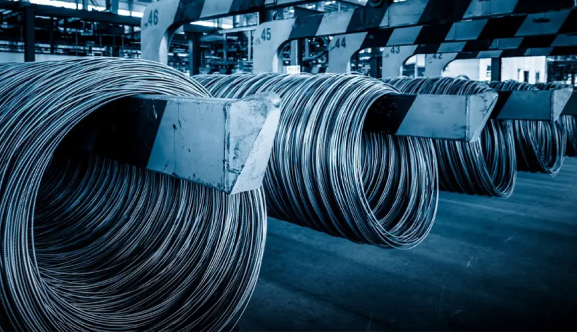

Stainless steel wire alloys are used in various industries, including:

Sunset Wire can manufacture custom diameters of SS17-4PH for your project. Common sizes of Type 17-4 PH include:
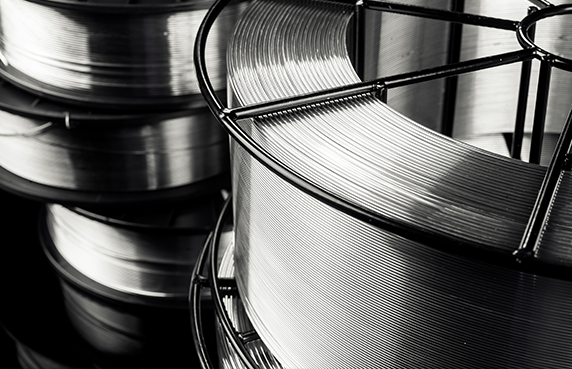
Sunset Wire stocks a large inventory of stainless steel wire to ensure you get it fast. Get your wire in 1 lb cans, 1 lb spools or 5 lb spools. Other spool sizes are available upon request.

Why Choose Sunset Wire?
Sunset Wire provides domestically drawn wire in various diameters, lengths and packages. Get your stainless steel wire delivered anywhere in the US thanks to our large inventory and dedicated supply chain management capabilities.
Visit us at Spring World 2026 and IFE 2026 from October 7th-9th 2026