
Stainless Steel 310 Wire Alloy

Stainless Steel 310 is a high-temperature austenitic stainless steel wire alloy containing approximately 24–26% chromium and 19–22% nickel, providing outstanding oxidation resistance, corrosion resistance, and strength at elevated temperatures. The high chromium and nickel content of SS310 allows it to maintain its mechanical properties and resist scaling in continuous and intermittent high-heat environments, making it particularly well suited for furnace components, heat treatment equipment, thermal processing systems, wire forms, fasteners, and other applications requiring reliable performance in extreme temperature conditions.

Terms for Stainless Steel 310 Wire Alloys Available

310 stainless steel wire is identified under multiple naming conventions, including grade, alloy, and UNS designations; depending on the specification, industry, or standard being used.
    • 310 Stainless Steel
    • Stainless Steel 310
    • Type 310
    • AISI 310
    • Alloy 310
    • UNS S31000
    • SS 310
    • SS310
    • Grade 310
    • 25-20 Stainless Steel
    • 25Cr-20Ni Stainless Steel
    • Heat Resistant Stainless Steel
    • High Temperature Stainless Steel
    • SAE 310
    • EN 1.4845
    • X8CrNi25-21
    • SUS 310 (Japan)
    • DIN 1.4845
    • W.Nr. 1.4845
    • ASTM 310
    • Chromium-Nickel Austenitic Stainless Steel

Other Names for Stainless Steel 310

Stainless Steel 310 alloys are known by several names depending on the standard, specification, or drawing being used. Understanding these alternate names matters because the same alloy can appear under different designation systems across quotes, certifications, standards, and legacy prints. For buyers and engineers working with wire, this is especially important, since Stainless Steel 310 may be referenced through material standards tied to specific product forms and applications rather than by one simple trade name alone.

  • Stainless Steel 310 / 310 Stainless Steel

    Stainless Steel 310 is the plain-language commercial name used by manufacturers, distributors, engineers, and buyers throughout the stainless steel industry. This name can be further shortened to SS310 or SS 310. Best for website copy, product pages, blogs, and non-technical sales language where readability and recognition are most important. It is the most widely recognized market-facing name for the alloy and the easiest designation for buyers who are searching by common stainless steel grade rather than by a formal standards designation.
  • Type 310

    Type 310 is the traditional “Type” grade designation used throughout stainless steel specifications and industry practice and appears in technical descriptions, engineering standards, and material references for Stainless Steel 310. Best for technical sales sheets, alloy descriptions, engineering drawings, and legacy documents where stainless steel grades are identified using the traditional Type system. Many engineers, buyers, and metallurgists still reference stainless grades in “Type” terminology, making this designation familiar, easy to recognize, and well aligned with longstanding industry documentation.
  • AISI 310

    AISI 310 is the designation derived from the American Iron and Steel Institute (AISI) stainless steel grade classification system. Best for engineering discussions, procurement cross-references, technical specifications, and older North American documents that continue to use AISI terminology. The use of AISI 310 immediately identifies the material as the widely recognized austenitic stainless steel grade rather than simply a commercial trade name, making it useful for technical communication, material selection, and specification review across a wide range of industries.

  • Alloy 310

    Alloy 310 is a general commercial shorthand and conversational naming style used throughout the metals industry when the stainless steel family is already understood. Best for casual product discussions, internal communication, sales conversations, and simplified technical language where the audience already knows the material is stainless steel. It is concise, recognizable, and easy to read, but it is less precise than formal designation systems because the term “alloy” by itself does not identify the governing specification, standards organization, or numbering system associated with the material.
  • UNS S31000

    UNS S31000 is the official Unified Numbering System (UNS) designation for Stainless Steel 310. Best for formal material identification, cross-referencing between industry standards, quality assurance documentation, mill certifications, engineering specifications, and multi-standard procurement requirements. This designation serves as the clearest and most unambiguous identifier when matching Stainless Steel 310 across different specification systems and international standards. It is especially useful when a drawing, certification, purchase order, or compliance document requires a formal material designation rather than a commercial or trade-style name.

  • Grade 310

    Grade 310 is a generic technical descriptor commonly used in datasheets, engineering references, technical articles, and educational materials for the alloy. Best for technical overviews, material comparisons, specification discussions, and informational content. It reads naturally in explanatory writing and is particularly useful when comparing stainless steel grades, such as Grade 310 vs. Grade 304L for example.

  • 25-20 Stainless Steel

    25-20 Stainless Steel is a chemistry-based designation for Stainless Steel 310, referring to its approximate 25% chromium and 20% nickel content. Best for educational content, alloy family discussions, and simplified chemistry explanations. While useful for describing the alloy’s heat-resistant austenitic stainless steel classification, it is not precise enough on its own for ordering material because multiple specifications may share similar chemistry ranges.

  • SAE 310

    SAE 310 is a designation associated with the Society of Automotive Engineers (SAE) material numbering system and is commonly referenced in engineering, manufacturing, and procurement environments where SAE standards and terminology are used. Best for high-temperature applications, engineering documentation, material specifications, and cross-referencing between industry standards.
  • EN 1.4845

    EN 1.4845 is the European material number designation for Stainless Steel 310 within the EN (European Norm) standards system. Best for European engineering specifications, international procurement, material certifications, technical documentation, and cross-referencing between global stainless steel standards. The use of EN 1.4845 immediately identifies the material according to a standardized European classification, making it easier to match Stainless Steel 310 across international supply chains and regulatory requirements. This designation is widely recognized throughout Europe and is commonly found on mill certificates, engineering drawings, quality documentation, and material specifications where compliance with European standards is required.
  • X8CrNi25-21

    X8CrNi25-21 is the European chemical designation for Stainless Steel 310 and is commonly used in EN standards, engineering specifications, material certifications, and technical documentation. Best for European engineering drawings, international procurement, and applications where the alloy’s chemistry must be clearly identified. The designation X8CrNi25-21 describes the alloy based on its chemical composition, indicating an austenitic stainless steel containing approximately 25% chromium and 21% nickel. This designation is widely recognized throughout Europe and can be cross-referenced to EN 1.4845, UNS S31000, and other equivalent Stainless Steel 310 specifications.
  • SUS 310

    SUS 310 is the Japanese Industrial Standards (JIS) designation for Stainless Steel 310 and is widely used throughout Japan and in global supply chains that source, manufacture, or specify materials according to Japanese standards. Best for international procurement, engineering specifications, material certifications, manufacturing documentation, and cross-referencing between global stainless steel standards. The use of SUS 310 immediately identifies the material as the Japanese equivalent of Stainless Steel 310, making it easier for engineers, buyers, and quality professionals to verify material compatibility across regional specifications. This designation frequently appears on Japanese engineering drawings, mill certificates, and technical documents and serves as a recognized international reference for this heat-resistant austenitic stainless steel grade.
  • DIN 1.4845

    DIN 1.4845 is the German material designation for Stainless Steel 310 and is commonly used in European engineering specifications, material certifications, and procurement documents. Best for international sourcing, technical documentation, and material cross-referencing. The designation DIN 1.4845 provides a standardized identifier that helps engineers and buyers match Stainless Steel 310 across global standards systems.
  • ASTM 310

    ASTM 310 is a common reference to Stainless Steel 310 when specified under ASTM material standards. Best for engineering specifications, procurement documents, quality requirements, and manufacturing applications that follow ASTM standards. The designation ASTM 310 helps identify the alloy within ASTM-controlled specifications and is frequently used in technical documentation, certifications, and material purchasing requirements.
  • W.Nr. 1.4845

    W.Nr. 1.4845 is the Werkstoffnummer (material number) designation for Stainless Steel 310 and is widely used in European engineering specifications, certifications, and technical documentation. Best for international procurement, material cross-referencing, and quality documentation. The designation W.Nr. 1.4845 provides a standardized material identifier that helps engineers and buyers match Stainless Steel 310 across European and global standards systems.

  • Chromium-Nickel Austenitic Stainless Steel

    Chromium-Nickel Austenitic Stainless Steel is a broad technical description used to classify Stainless Steel 310 based on its alloy chemistry and crystal structure. Best for educational content, metallurgy discussions, and technical overviews of stainless steel families. This designation highlights the alloy’s chromium and nickel content, which contribute to its corrosion resistance, formability, and toughness, while identifying it as part of the austenitic stainless steel family.

Stainless Steel 310 Wire Alloy Chemical Composition

Stainless Steel 310 has a density of approximately 7.90 g/cm³ (0.285 lb/in³) and is composed of 24.00–26.00% chromium, 19.00–22.00% nickel, 1.50% silicon, 2.00% manganese, 0.25% maximum carbon, and 0.030% maximum sulfur, with the balance consisting of iron. It is a tough, ductile, austenitic stainless steel known for its exceptional oxidation resistance and strength at elevated temperatures. The high chromium and nickel content of Type 310 provides superior resistance to scaling and thermal degradation, making it an excellent choice for furnace components, heat treatment equipment, thermal processing systems, wire forms, and other applications operating in high-temperature environments.

Stainless Steel 310 Wire Alloy Benefits

  • Corrosion Resistance: Stainless steel wire alloys resist rust and oxidation, making them ideal for harsh environments.
  • High Strength & Durability: Experience excellent tensile strength and long-lasting performance, even under heavy loads.
  • Heat & Temperature Resistance: Maintain structural integrity and performance in high-temperature applications.
  • Low Maintenance: Stainless steel requires minimal upkeep due to its self-healing chromium oxide layer.
  • Recyclability: Stainless steel is 100% recyclable, making it an environmentally sustainable material choice.

Which Industries Use Stainless Steel 310 Wire Alloys?

Stainless steel wire alloys are used in various industries, including:

  • Aerospace: Stainless steel wire alloys are used in aircraft cables, fasteners and structural components for their strength and corrosion resistance.
  • Automotive: Found in exhaust systems, springs and safety components, stainless steel wire enhances durability and heat resistance.
  • Marine: Used in rigging, mooring and corrosion-resistant marine hardware to withstand exposure to seawater.
  • Medical & Healthcare: Stainless steel wire is vital for surgical instruments, orthodontic applications, and medical implants due to its biocompatibility.
  • Oil & Gas: Stainless steel wire is utilized in safety cables, wire mesh screens and high-pressure components in harsh drilling environments.

What Diameters Are Available for Stainless Steel 310 Wire Alloys?

Sunset Wire can manufacture custom diameters of SS310 for your project. Common sizes of Type 310 include:
  • 0.0625 inches
  • 0.092 inches
  • 0.105 inches
  • 0.120 inches
  • 0.125 inches
  • 0.135 inches
  • 0.145 inches
  • 0.148 inches
  • 0.156 inches
  • 0.162 inches
  • 0.177 inches
  • 0.1875 inches
  • 0.192 inches
  • 0.225 inches
  • 0.243 inches
  • 0.250 inches
  • 0.312 inches
  • 0.375 inches
  • 0.437 inches
  • 0.500 inches

Stainless Steel 310 Made to Order

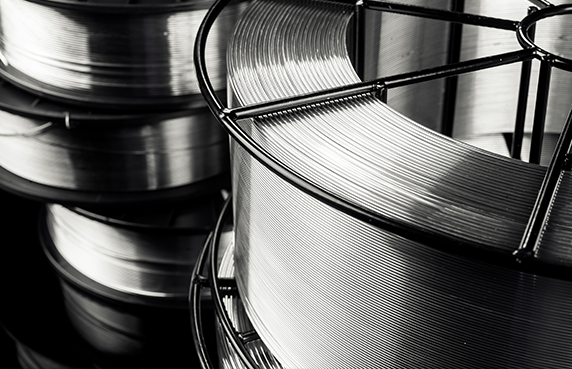
Sunset Wire stocks a large inventory of stainless steel wire to ensure you get it fast. Get your wire in 1 lb cans, 1 lb spools or 5 lb spools. Other spool sizes are available upon request.

Why Choose Sunset Wire?

Sunset Wire provides domestically drawn wire in various diameters, lengths and packages. Get your stainless steel wire delivered anywhere in the US thanks to our large inventory and dedicated supply chain management capabilities.

  • Built on 70+ years of industry experience
  • Certifications include AS9100
  • All wire is proudly made in the USA
  • Fast shipping speed to get your wire on time
  • Sustainable packaging that aligns with your green initiatives

Frequently Asked Questions

What are stainless steel wire alloys?
Stainless steel wire alloys are high-strength, corrosion-resistant wires composed of iron, chromium, nickel and other elements. They are designed to provide superior durability and heat resistance across various applications.

Announcing our new wire calculator!